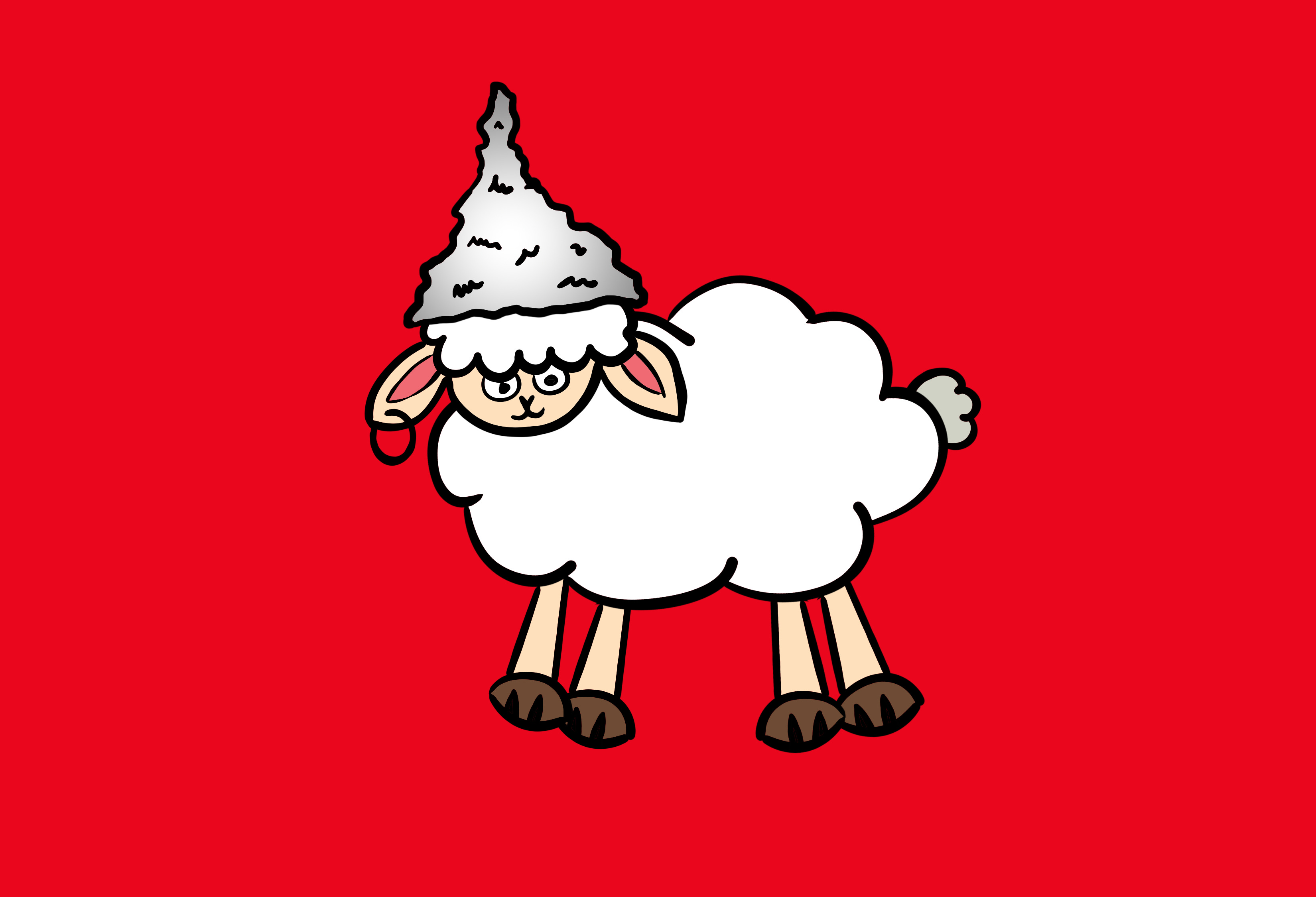
December 2016, Washington, D.C.. What would you do to save the innocent victims of a child sex trafficking ring from certain peril? Would you be willing to — say — drive more than 350 miles across state lines, force your way into a combination-public-table-tennis-facility-and-savory-pie-joint at gunpoint, and desk-pop a 9mm AR-15 rifle into a locked storage cabinet which might contain said kidnapped children?
After reading online that the Comet Ping Pong pizzeria was harboring underaged sex slaves, the 28-year-old drove from North Carolina to Washington, D.C. to take the matter into his own hands, where he was promptly arrested and charged for his subsequent actions.
The conspiracy theory which so gripped him — “Pizzagate” — had originally gone viral online during the 2016 presidential election. After the personal emails of John Podesta (Hillary Clinton’s then-campaign chair) were published online by the leaked document hosting website WikiLeaks, conservative pundits and members of alt-right forums like 4chan, 8chan, Twitter, and subreddits like r/TheDonald spread a conspiracy: that the emails contained coded language that connected a series of high-ranking Democrat figures with a child sex trafficking ring. In a haze of marijuana smoke and Hot Cheeto dust, MAGA internet sleuths connected one such coded term, ‘cheese pizza’ (allegedly a reference to child pornography), to Comet, a favorite dive of D.C. lawmakers.
Although Pizzagate stands out as the modern genesis of the conspiracy-minded groupthink that would become a hallmark of the neoconservative movement, Americans have actually been enamored with this sort of conspiracist ideation for decades.
In 1964, American historian Richard Hofstadter published his seminal essay, “The Paranoid Style in American Politics,” in Harper’s Magazine. The piece examines Americans’ propensity for — and as a consequence, the efficacy of politics in the vein of — sensationalist paranoid conspiracy. According to Hofstadter, American politicians, both left and right, have long used fear as a means by which to incite voters toward support for one political party or another.
Hofstadter submits McCarthyism as a stereotypical (and then-topical) example of the Paranoid Style: a political movement characterized by “heated exaggeration, suspiciousness, and conspiratorial fantasy,” it allowed demagoguery to flourish under the auspices of protecting the citizenry from a looming and terrible threat.
In modernity, G.O.P. voters seem especially susceptible to appeals to grand conspiracy. After all, American conservatism is best characterized by a desire to return back to a perceived golden age. As such, conservatives are particularly distrustful of the increasingly progressive political platforms adopted by academia and the traditional media which, although rooted in science and reality, seem to fly in the face of their deeply seated beliefs. Conspiracies help them make sense of the world by attributing such changes to bad actors instead of poor thinking.
This phenomenon is further compounded by conservatives’ swelling embrace of a progressively post-factual world.
“Trump, with his promise to “Make America Great Again” — firmly in the camp of Paranoid Style politics — cleverly tapped into the fears and misconceptions already present in his voter base.”
Conservative media lacks ideological coherence compared even to that of neoliberal corporate-teat-suckling outposts like CNN or MSNBC. Take, for example, some of the most popular conservative media figures in the American right during the Obama administration: figures like Glenn Beck, Tucker Carlson, Alex Jones, Rush Limbaugh, and yes, even Donald Trump.
Beck, a professional prevaricator who speaks with the cadence of a daytime televangelist and looks like the lovechild of Colonel Sanders and Porky Pig, made a name for himself by peddling tenuous conspiracy theories on Fox News including, among other things, that George Soros — a Holocaust survivor — was collaborating with Nazis, that President Obama was organizing concentration camps for political dissidents, and that the Affordable Care Act included plans for “death panels” to determine which citizens would be entitled life-saving care.
Carlson spent a great deal of his tenure as host of Fox News’ record-breaking Tucker Carlson Tonight aggressively hawking the Great Replacement conspiracy theory. Proposed by homosexual-white-supremacist icon Renaud Camus (what’s with all these gay Nazis?), the theory claims that a shadowy global cabal of elites have been influencing American demographics via mass immigration, resulting in the usurpation of white people as the country’s dominant ethnic group. Specifically, Tucker asserted that “legacy Americans” were being replaced by “more obedient people from faraway countries” in an effort “to reduce the political power of people whose ancestors live here.”
Jones — by the far the most erratic and detached from reality of all the colorful characters on this list — has spent decades destroying his own credibility by means of parroting veritable insanity on various podcasts, television shows, YouTube channels, and Joe Rogan Experience guest appearances. He insists that the Sandy Hook shooting, the Parkland shooting, the Oklahoma City bombing, and September 11 were all false flags. He claims that large corporations are actively colluding with a secret world government to manufacture economic crises, fund terror attacks, control the weather, and turn the world population gay. Coincidentally, he was also one of the loudest voices amplifying Pizzagate.
Limbaugh, a spoiled sausage casing of a man who dutifully extruded rotting meat and solanine fumes from between his hypertrophied lips until his eventual expiration in 2021, was one of the most prominent voices in the conservative conspiracist community for decades. Most notably, he — along with Donald Trump — pertinaciously promoted the “birther” conspiracy theory for years, contending that Barack Obama was not eligible for the U.S. presidency based on a fallacious contention that he was not born in the United States.
While this steady diet of delusional conspiracy theories was being steadily drip-fed to conservatives in every aspect of their media consumption, their newfound fears were being simultaneously confirmed by the public failure of seemingly every longstanding institution.
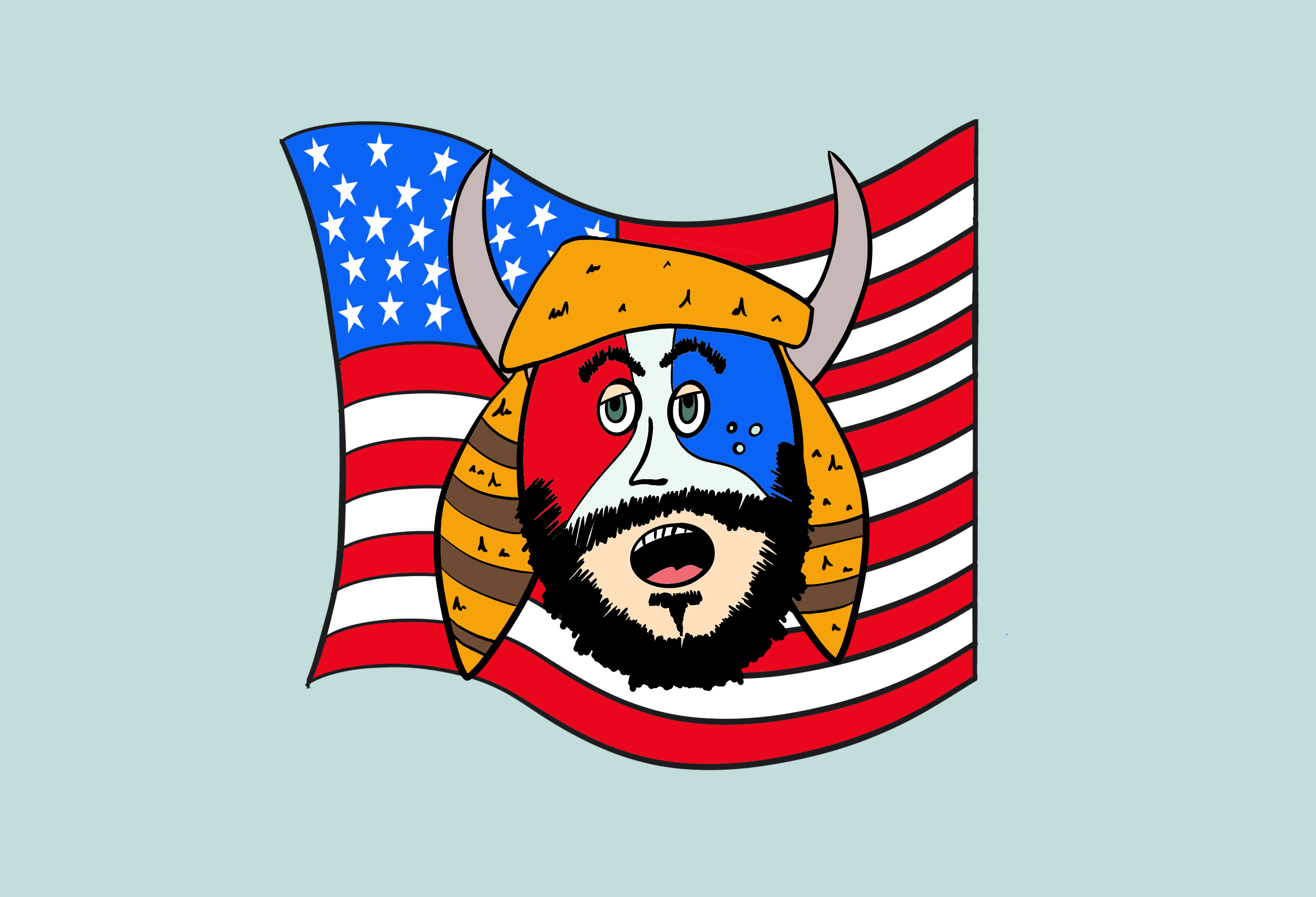
In 2008, in the midst of the financial crash and in an effort to rage against the causes of what would come to be known as the Great Recession, the Tea Party movement was founded. For the first time since Barry Goldwater, a major political movement emerged which was rooted almost entirely in anti-establishment skepticism. For the members of the Tea Party — if not the greater American population as a whole — faith in the political establishment had never been lower.
By the time the Tea Party ceased to exist in 2016, most of its ideas and members had been normalized, absorbed by a Republican Party deep in the throes of a Trumpian coup.
Trump, with his promise to “Make America Great Again” — firmly in the camp of Paranoid Style politics — cleverly tapped into the fears and misconceptions already present in his voter base. He pledged to “drain the swamp” and “close the revolving door” of lobbying in Washington. He ran a campaign as a total outsider: the only person willing and able to stop all the corruption, cheating, and collusion between big business and government.
Of course, these were only Trump’s public policy platforms. In the aftermath of Pizzagate’s extreme popularity and acceptance, more online conspiracies had begun to emerge in the same vein, stoking fears of shadowy elite societies preying on innocent children — but now, they were painting Trump as a heroic white savior on a noble quest to deliver America from this pedophilic cabal.
Beginning in 2017 and 2018, on 4chan’s /pol/ board, a user named “Q Clearance Patriot” started uploading cryptic posts alleging, among other things, that a snuff film was in circulation amongst political elites depicting Hillary Clinton assaulting, murdering, and drinking the blood of a young girl in an effort to consume her ‘adrenochrome.’
The popularity of these posts cannot be overstated.
Soon, an entire community of followers organized around the poster, referred to simply as “Q,” somehow arriving — through a series of incoherent 4chan posts and mundane public actions taken by Trump (such as drinking from a water bottle) — on the principal tenet that a cabal of Satanic government officials and business executives have for years been engaging in a child sex trafficking operation, and that Donald Trump is the only man in the world with the reach and wherewithal to stop them.
Although it began as a fringe online movement situated around a niche forum, these “QAnon” posts were quickly and voluminously disseminated in more accessible spaces like Facebook and Instagram, where mainstream audiences were able to consume them. Before long, the line between QAnon followers and MAGA Republicans was blurred to the point of obscurity. By 2021, almost a quarter of all Republicans identified as “firm QAnon believers.”
Accordingly, claims of election fraud — and calls to overturn the results of the election — espoused by the QAnon faithful in response to Trump’s 2020 loss were parroted by the wider MAGA community. Leaning into this sentiment, Trump retweeted assertions from members of the QAnon community that voting machines were hacked to remove millions of Republican votes.
“Capitalizing on this, Trump in 2024 became the Paranoiageist, orchestrating a furious, competent, and frenetic campaign which understood and consolidated its own strengths — and its voter base’s weaknesses.”
In the lead-up to the January 6 Capitol attack in 2021, Q-related influencers spread online messages encouraging the community to go to Washington D.C. to participate in the upcoming riots. Trump himself tweeted on December 19, 2020: “Big protest in D.C. on January 6th. Be there, be wild!” Many such participants documented their activities through photography, videography, and citizen journalism — often proudly displaying Q-related paraphernalia.
After years upon years of conditioning, Republicans had finally decided to, like the Party members in George Orwell’s 1984, “reject the evidence of [their] eyes and ears.” Trump didn’t turn them into crackpot conspiracy nutjobs — but he certainly wasn’t shy about taking advantage of their dispositions, either. Like frogs being lowered into boiling water, the individuals who would go on to become MAGA and QAnon supporters didn’t realize that they were in danger until it was too late. They got so comfortable with the rising temperature around them that it started to feel normal — and maybe even kind of nice.
Capitalizing on this, Trump in 2024 became the Paranoiageist, orchestrating a furious, competent, and frenetic campaign which understood and consolidated its own strengths — and its voter base’s weaknesses.
He blustered and pointed fingers like Glenn Beck, stoked xenophobic sentiments like Tucker Carlson, made copious podcast appearances like Alex Jones, and embraced his own spiritual defecation and physical decay à la Rush Limbaugh. He made comments suggesting he would release the JFK assassination files, records relating to UFOs and aliens, and even — perhaps most famously — the Epstein Files. He continued to repeat claims that the 2020 election was stolen, made countless references to the ‘Deep State,’ doubled down on his public distrust of mainstream media, and associated with conspiracist lunatics like Robert F. Kennedy Jr., Kash Patel, Mike Lindell, Marjorie Taylor Greene, and Laura Loomer.
Ironically, Trump and his political advisors had so deeply conditioned his supporters toward conspiracy thinking that even Trump himself could not escape their scrutiny. Calls for the release of the Epstein Files became too great to ignore, and with each disclosure, the obvious nexus between Trump and Epstein tightened into a hangman’s knot.
Now, in a haze of epistemic paranoia, Trump supporters, like Rachael in Ridley Scott’s Blade Runner (1982), are being forced for the first time to confront the idea that their reality — all that they believed to be true — may have been deceitfully constructed by something much larger and more nefarious than themselves.
And, although we hope they use this opportunity to break free from their programming for good, they’re much more likely to double down further on their blind loyalty to the cult of Donald Trump. Their fear and paranoia — of that which they do not know, of that which they do not expect, and of that which they do not understand — is simply too great. It’s much easier to just sit back, relax, and listen to the angry man on the television screen.
“Quite an experience to live in fear, isn’t it? That’s what it is to be a slave.”
Don’t Be a Sucker is a blog about internet culture and its interactions with politics, law, and society at large. You can visit the Archive to read past entries. Subscribe below to make sure you don’t miss anything — and share this post if you enjoyed it. If you’re feeling particularly generous, consider buying us a coffee. This publication depends entirely on reader support.